The choice between urban and suburban living has long been a point of debate among homebuyers, renters, and urban planners alike. Each option offers distinct advantages and challenges, influencing lifestyle, community engagement, and financial commitments. As cities evolve and suburbs expand, understanding the market dynamics between these two environments becomes essential for prospective homeowners and investors. This article delves into the intricate details of urban versus suburban living, providing a comprehensive comparison of market trends, lifestyle implications, and examples from across the United States.
Defining Urban and Suburban Living
Urban living typically refers to life in densely populated city centers, characterized by a plethora of amenities, cultural attractions, and diverse populations. Cities such as New York, Chicago, and San Francisco are prime examples, showcasing vibrant nightlife, public transportation, and a wide array of services within walking distance.
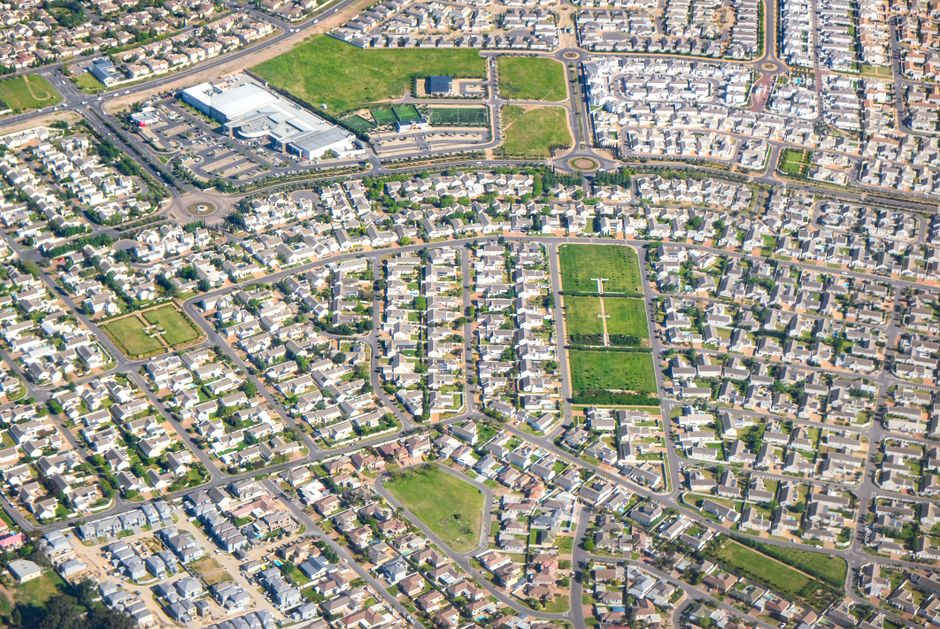
Conversely, suburban living encompasses residential areas situated outside urban centers, often featuring single-family homes, quieter streets, and community-focused amenities. Suburbs like those surrounding Los Angeles, Dallas, and Atlanta provide larger living spaces and often emphasize family-oriented environments.
Market Dynamics and Real Estate Trends
Real Estate Prices
One of the most significant factors influencing the decision between urban and suburban living is real estate prices. According to the National Association of Realtors, median home prices in urban areas are typically higher than in suburban counterparts. For instance, in 2023, the median home price in San Francisco was approximately $1.4 million, while in nearby suburbs like Walnut Creek, it was around $800,000. This price disparity often leads families and young professionals to consider suburban options for more spacious and affordable homes.
Rental Markets
The rental market also reflects these trends. Urban rentals generally command higher prices due to their proximity to workplaces and entertainment. However, as remote work becomes more prevalent, many individuals are opting for suburban rentals, where they can secure larger spaces for a fraction of the cost. For example, a two-bedroom apartment in downtown Seattle can exceed $3,000 per month, while a similar apartment in a neighboring suburb might be around $2,000.

Cost of Living Analysis
The overall cost of living varies significantly between urban and suburban areas. Urban environments often entail higher costs related to groceries, transportation, and entertainment. According to a detailed analysis from Numbeo, urban areas can have a cost of living index that is 20-30% higher than suburban areas.
Transportation costs can also differ markedly. In urban centers, public transport systems like buses and subways can reduce the need for personal vehicles, while suburban living often necessitates car ownership, adding to expenses through fuel and maintenance.
Lifestyle and Community Engagement
Social Life and Amenities
Urban living is synonymous with a vibrant social scene, offering a wide range of restaurants, theaters, museums, and parks. The cultural tapestry of cities contributes to a rich, engaging lifestyle. For instance, cities such as New York City host an array of events and activities, from Broadway shows to art exhibitions, encouraging active community participation.
On the other hand, suburban areas may present a more localized community vibe, with amenities centered around family activities, parks, and schools. Suburbs often have community events such as farmers' markets, outdoor concerts, and festivals, fostering a sense of belonging among residents. For example, communities like Naperville, Illinois, are noted for their annual events that draw families together.
Education and School Systems
Education is a crucial consideration for families when choosing between urban and suburban living. Suburban areas often boast highly rated public school systems, which can be a significant draw for families with children. According to GreatSchools, many suburban districts receive high ratings for educational quality, extracurricular activities, and overall student performance.
In contrast, urban schools may face challenges such as overcrowding and underfunding, which can affect student outcomes. However, urban areas may offer specialized programs and access to resources that suburban schools lack, including partnerships with local universities and cultural institutions.
Health and Safety Considerations
Crime Rates and Safety
Safety is a common concern for both urban and suburban residents. Historically, urban areas have higher crime rates, which can deter potential residents. However, crime statistics can be deceptive; while cities may have higher overall crime rates, specific neighborhoods can be quite safe. For example, neighborhoods like the Upper East Side in New York are known for their low crime rates despite being in a bustling city.
Suburbs, on the other hand, tend to have lower crime rates on average, making them appealing for families seeking a secure environment. Communities like Westfield, New Jersey, frequently rank among the safest places to live in America, attracting families looking for peace of mind.
Healthcare Access
Healthcare access is another critical aspect of urban versus suburban living. Urban areas usually provide a greater concentration of hospitals, clinics, and specialized healthcare services. For instance, cities like Boston are home to some of the top-ranked hospitals in the country, offering advanced medical care.
Suburban areas may have fewer healthcare facilities, but they often include community health centers that provide essential services at a lower cost. Families in suburban settings may find it convenient to access routine care without the long waits often associated with urban hospitals.
Future Trends and Considerations
As demographics shift and remote work continues to reshape the employment landscape, the future of urban versus suburban living is evolving. Urban centers are experiencing a resurgence as young professionals seek the excitement of city life, while families increasingly gravitate towards suburbs that provide ample space and community amenities.
Moreover, the COVID-19 pandemic has accelerated the trend of remote work, prompting many to reconsider their housing situations. According to a report from the Pew Research Center, nearly 20% of Americans relocated during the pandemic, with many moving from cities to suburbs in search of affordability and space.
Conclusion
The choice between urban and suburban living encompasses various factors, including real estate prices, lifestyle choices, community engagement, and future trends. Each option has its unique advantages and challenges, making it crucial for individuals and families to weigh their priorities when deciding where to live. Whether one prefers the bustling energy of urban life or the tranquil surroundings of suburban communities, understanding these dynamics is essential for making informed housing decisions in today's ever-changing market.
As cities and suburbs continue to evolve, staying informed about market trends and lifestyle implications will empower prospective residents to make the best choices for their futures.

