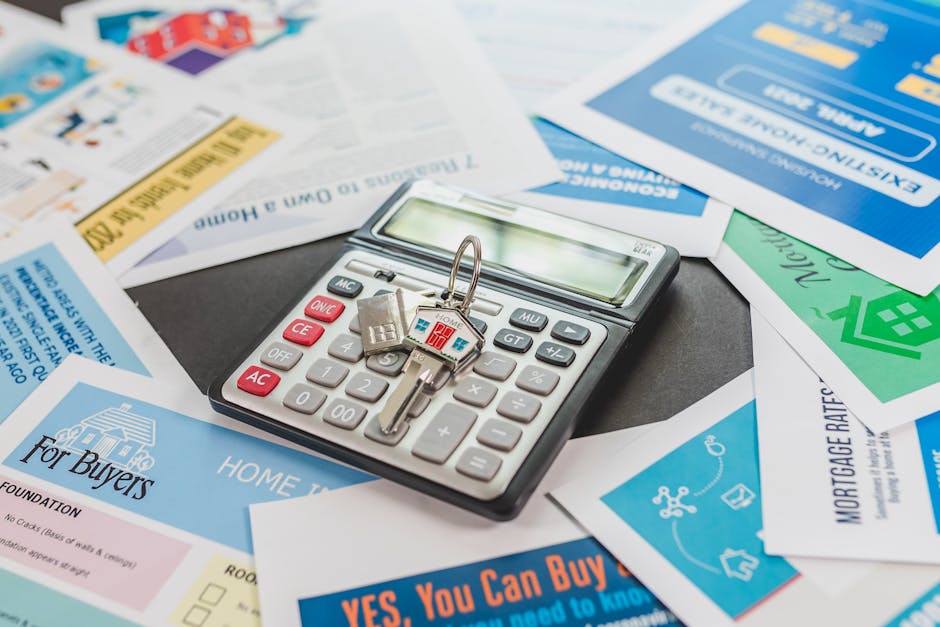
Buying a home is one of the most significant financial decisions many people will ever make. It's a process that can be overwhelming, especially for first-time home buyers. To help you navigate this complex journey, we’ve compiled the ultimate home buying checklist. This comprehensive guide will walk you through each stage of the home buying process, ensuring you are well-prepared and informed.
Understanding Your Financial Readiness
The first step in the home buying process is assessing your financial situation. This involves understanding your budget, credit score, and the various costs associated with buying a home.
Assess Your Financial Health
Before diving into the home search, evaluate your financial health. Check your credit score, as it will impact your mortgage options. Generally, a score above 700 is considered good, while anything below may require you to improve your credit before applying for a mortgage. You can access your credit report for free annually through sites like AnnualCreditReport.com.
Determine Your Budget
Creating a budget is crucial. Factor in your income, expenses, and any debts. Financial experts recommend that your monthly housing costs should not exceed 28% of your gross monthly income. Use a mortgage calculator to estimate what you can afford based on various down payment amounts and interest rates.
Obtaining Pre-Approval for a Mortgage
Getting pre-approved for a mortgage is a critical step that demonstrates to sellers that you are a serious buyer. It also provides a clearer picture of what you can afford.
Choosing the Right Lender
Research potential lenders and compare their rates, fees, and services. Look for lenders with good reviews and transparent terms. You may want to consider local banks, credit unions, and online lenders. Once you’ve selected a lender, you’ll need to provide documentation such as proof of income, tax returns, and details about your debts.
Understanding Mortgage Types
There are various types of mortgages available, including fixed-rate, adjustable-rate, and government-backed loans like FHA or VA loans. Each has its pros and cons, so it’s essential to understand which option aligns best with your financial situation and long-term goals.
Identifying Your Home Preferences
With your finances in order, it’s time to consider what you want in a home. This step is all about figuring out your needs versus your wants.
Creating a Wish List
Consider factors such as the number of bedrooms, bathrooms, and any specific features like a yard, garage, or home office. It’s helpful to categorize your list into must-haves and nice-to-haves. For example, a family might prioritize proximity to schools, while a remote worker might look for a quiet neighborhood with space for an office.

Choosing the Right Location
Research neighborhoods to determine what areas fit your lifestyle and budget. Consider factors such as commute times, school districts, local amenities, and future development plans. Websites like Niche provide insights into the quality of neighborhoods across various metrics.
Engaging a Real Estate Agent
While some buyers opt to navigate the process independently, engaging a professional real estate agent can provide invaluable expertise and support.
Finding the Right Agent
Look for an agent with local market knowledge and a track record of successful transactions. Seek referrals from friends or family, and conduct interviews with potential agents to ensure they align with your needs and communication style.
The Benefits of an Agent
A good agent will not only help you find homes that meet your criteria but also assist in negotiating offers, navigating paperwork, and ensuring that you comply with local regulations. They can also provide insights into market trends and property values.
House Hunting
With your agent’s help, it’s time to start viewing homes. This phase is both exciting and critical, as it’s where you’ll narrow down your options.
Viewing Homes
When attending open houses or private showings, take notes and pictures to remember each property. Pay attention to the home's condition and the surrounding neighborhood. Consider visiting at different times of the day to gauge traffic and noise levels.
Evaluating Properties
Compare homes based on your wish list and budget. It’s also wise to consider resale value. Factors such as location, school districts, and home improvements can significantly affect a property's future value.
Making an Offer
Once you find the right home, it’s time to make an offer. Your agent will guide you through this process, ensuring your offer is competitive yet within your budget.
Crafting the Offer
Consider the market conditions when making your offer. In a seller's market, you may need to offer above the asking price or eliminate contingencies to make your offer more appealing. Your agent can provide insights into what similar homes have sold for to help you determine a fair offer.
Negotiation
Be prepared for negotiations. The seller may counter your offer, and your agent will help you navigate these discussions. Remember to remain flexible while keeping your budget in mind.
Conducting Inspections and Appraisals
After your offer is accepted, the next steps typically involve inspections and appraisals.
Home Inspection
A home inspection is crucial to identify any potential issues with the property. Hire a qualified inspector to evaluate the home’s structure, systems, and other critical elements. Based on the findings, you may want to negotiate repairs or reconsider your purchase if significant issues arise.
Appraisal Process
An appraisal assesses the home's value for the lender. If the appraisal comes in lower than the purchase price, you may need to renegotiate the offer or provide a larger down payment. Understanding this process is essential for ensuring you do not overpay for your new home.
Closing the Deal
Once inspections and appraisals are complete, it’s time to close on your new home. This final step involves signing paperwork and transferring ownership.
Understanding Closing Costs
Closing costs can range from 2% to 5% of the home’s purchase price and include fees for the appraisal, title search, and attorney services. Review these costs carefully and ensure you have the funds available to cover them.
Final Walk-Through
Before closing, conduct a final walk-through of the property to ensure all agreed-upon repairs have been made and that the home is in satisfactory condition. This is your last chance to identify any issues before finalizing the purchase.
Post-Purchase Considerations
Congratulations! You are now a homeowner. However, the journey doesn’t end here. Understanding your responsibilities and preparing for homeownership is crucial.
Home Maintenance
Regular maintenance is essential to protect your investment. Create a maintenance schedule for seasonal tasks such as gutter cleaning, HVAC servicing, and landscaping. This proactive approach will help prevent costly repairs down the line.
Understanding Homeowner Responsibilities
As a homeowner, you’ll be responsible for property taxes, insurance, and adhering to local laws and regulations. Make sure to budget for these ongoing costs and stay informed about any changes in your community.
Conclusion
Purchasing a home is a complex process that requires careful planning and consideration. By following this ultimate home buying checklist, you can navigate the journey with confidence and make informed decisions that align with your financial goals. Remember, each home buying experience is unique, so adapt this checklist to fit your specific situation and needs.