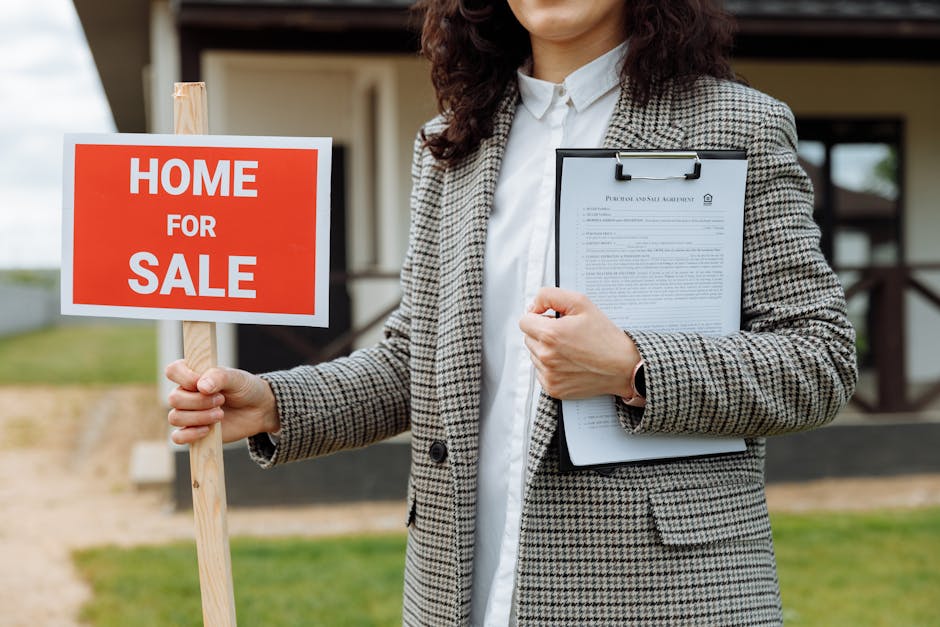
Choosing the right real estate agent can significantly impact your experience in buying or selling a property. The right agent provides not only expertise and market knowledge but also support and guidance through what can be a complex process. This article delves into the key considerations and steps to ensure you make an informed decision.
Understanding the Role of a Real Estate Agent
A real estate agent acts as an intermediary between buyers and sellers, facilitating transactions, negotiations, and the navigation of legal complexities. According to the National Association of Realtors, there are over 1.4 million members in the United States, which illustrates the competitive nature of the industry. Agents offer various services including property listings, market analysis, and advice on pricing strategies.
Assessing Your Needs
Before you begin your search for a real estate agent, it's crucial to assess your specific needs. Are you buying your first home or are you a seasoned investor? Do you require specialized knowledge in a particular area, such as commercial real estate or luxury homes? Understanding your unique situation will help you narrow down your options.
Defining Your Goals
Clearly define what you aim to achieve. If you're buying a home, consider factors such as budget, preferred locations, and must-have features. On the other hand, if you're selling, think about your timeline, desired sale price, and any specific marketing strategies you might want to pursue.
Researching Potential Agents
Once you have a clear understanding of your needs, start researching potential agents. Utilize online platforms, social media, and real estate websites to gather information. Websites like Zillow and Realtor.com can provide insights into agent performance, client reviews, and current listings.

Checking Credentials and Experience
In your research, pay close attention to the credentials of potential agents. Verify their licensing with your state’s real estate regulatory agency. It's also beneficial to consider their experience level—how long have they been in the business? A seasoned agent often has a better understanding of market trends and negotiation tactics.
Specializations and Areas of Expertise
Some agents specialize in specific types of properties or transactions, such as residential, commercial, or investment properties. If you have a unique situation, such as buying an investment property, look for an agent with a proven track record in that niche. For instance, a luxury home specialist may know how to market high-end properties effectively.
Evaluating Communication Skills
Effective communication is vital in real estate transactions. Your agent should be approachable, responsive, and able to explain complex concepts in a way that makes sense to you. During your initial meetings, assess their ability to listen to your needs and articulate how they plan to meet them.
Scheduling Interviews
Conduct interviews with potential agents. This interaction not only allows you to gauge their communication skills but also gives you a sense of their personality and professionalism. Ask open-ended questions about their approach to buying or selling, and how they plan to market your property or find you the right one.
Understanding Commission Structures
Real estate agents typically work on commission, which is a percentage of the sale price. This can range from 5% to 6% in many markets. However, commission structures can vary, and some agents may be open to negotiation. Understanding how much you will be paying is essential, as this will impact your overall budget for buying or selling.
Comparing Agent Fees
While a lower commission can be appealing, it’s crucial to consider the level of service you will receive. An agent with a higher commission may provide more comprehensive marketing strategies or better negotiation skills that could ultimately save you money.
Checking References and Reviews
Don't hesitate to ask for references from past clients. Speak to them about their experiences with the agent. Were they satisfied with the service? Did the agent meet their expectations? Online reviews on platforms like Google or Yelp can also provide valuable insights into an agent's reputation.
Understanding Market Knowledge
Market knowledge is a critical factor when selecting a real estate agent. An agent who is well-versed in local market trends can provide valuable insights into pricing strategies and property values. Ask potential agents about their knowledge of the neighborhoods you’re interested in. A great resource for understanding market dynamics is the U.S. Census Bureau, which provides demographic and housing data.
Trust Your Instincts
Ultimately, trust your instincts when selecting a real estate agent. You should feel comfortable and confident in their abilities. If something feels off during your interactions, it may be worth considering other options. The relationship between you and your agent is crucial, as you will rely on them throughout the transaction process.
Making the Final Decision
After evaluating potential agents based on the criteria outlined above, it’s time to make your final decision. Consider creating a pros and cons list for each candidate to help clarify your options. Once you’ve chosen an agent, discuss your expectations and establish clear communication from the outset.
Building a Partnership
Remember, choosing a real estate agent is about building a partnership. You should work together toward a common goal, whether that’s finding your dream home or securing the best price for your property. Establishing mutual respect and understanding will enhance your overall experience.
Conclusion
Choosing the right real estate agent is a critical step in your property journey. By assessing your needs, conducting thorough research, evaluating communication skills, and trusting your instincts, you can make an informed decision that sets you up for success. Remember, your agent is your advocate, and the right choice can lead to a smoother, more rewarding real estate experience.